Electrical Safety Concerns in Thailand
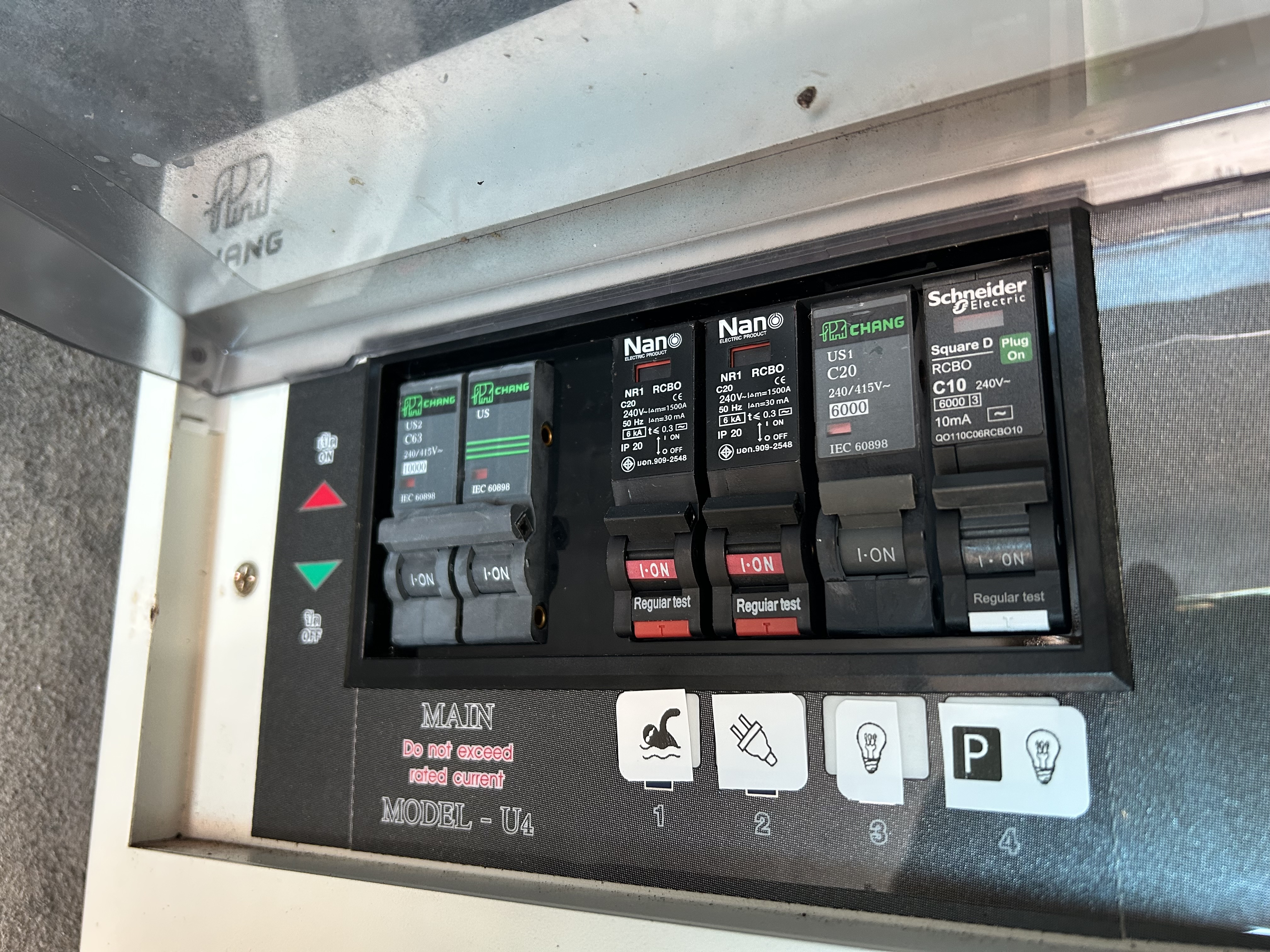
Living in the tropics offers many pleasures, but electrical installations in Thailand—especially in older or renovated homes—often overlook key risks that are unique to hot, humid, and rainy climates.Two major issues stand out:
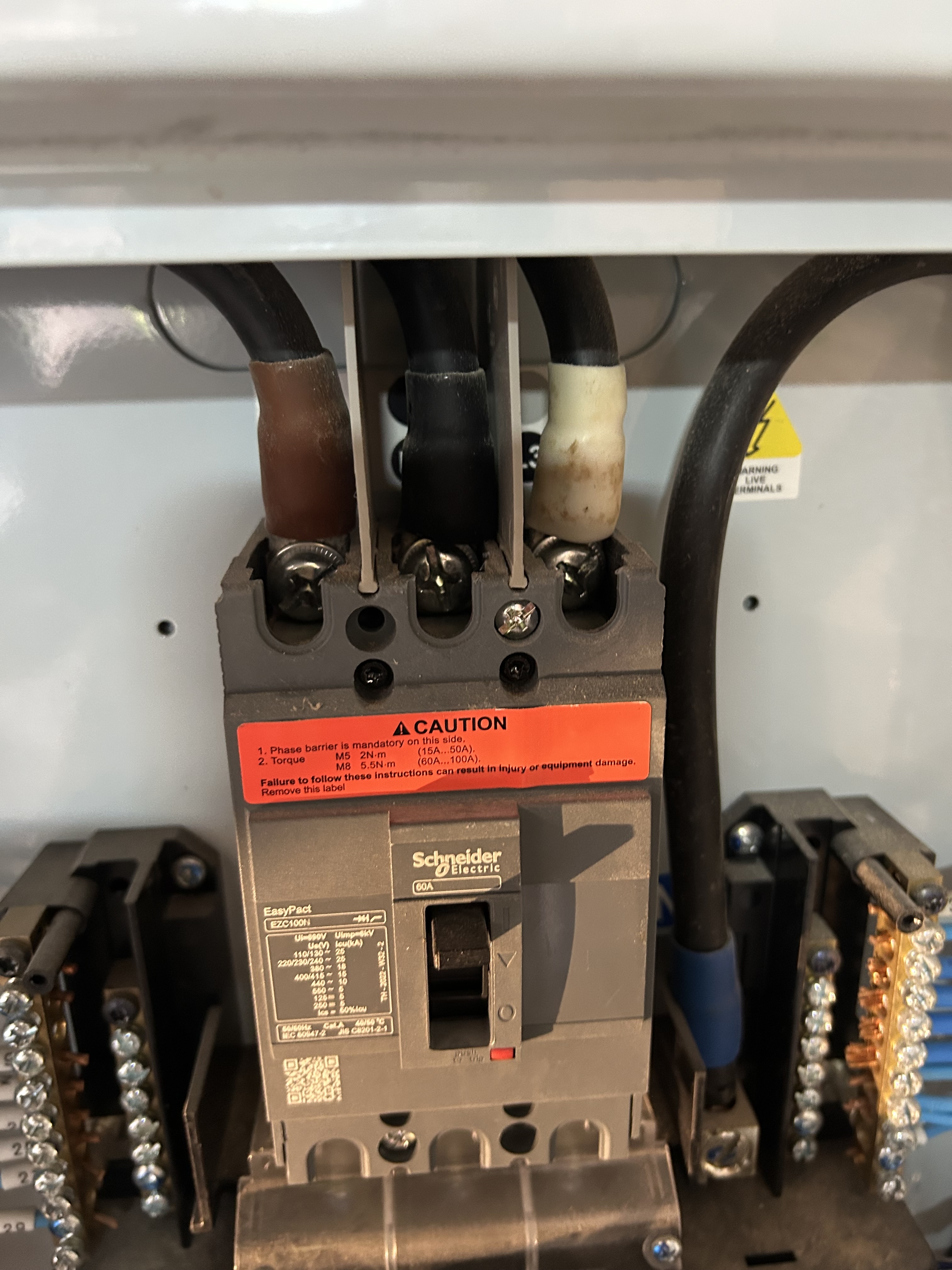
- Insufficient cable sizing and circuit breaker ratings, which can lead to overheating and electrical fires.
- Inadequate protection against electric shock, putting residents at serious risk.
Common Hazards Found in Many Homes
The following examples are based on real situations we have encountered at customers’ properties (mostly older or renovated houses).
- Undersized wiring protected by oversized breakers
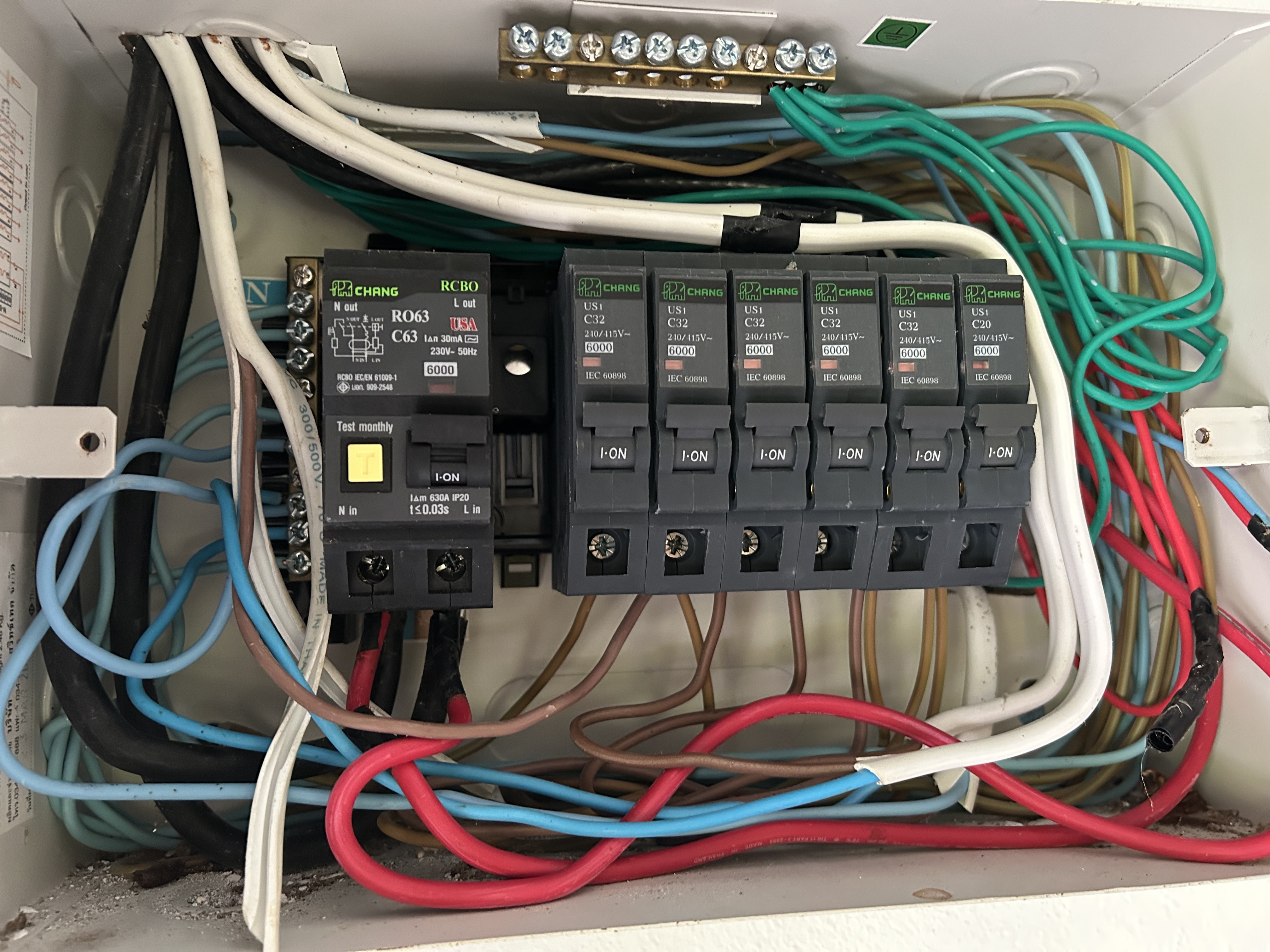
A common sight: a 32A breaker protecting only 2.5 mm² cable. This combination cannot safely handle the load and significantly increases the risk of fire. - Poor or non-existent grounding (earthing)
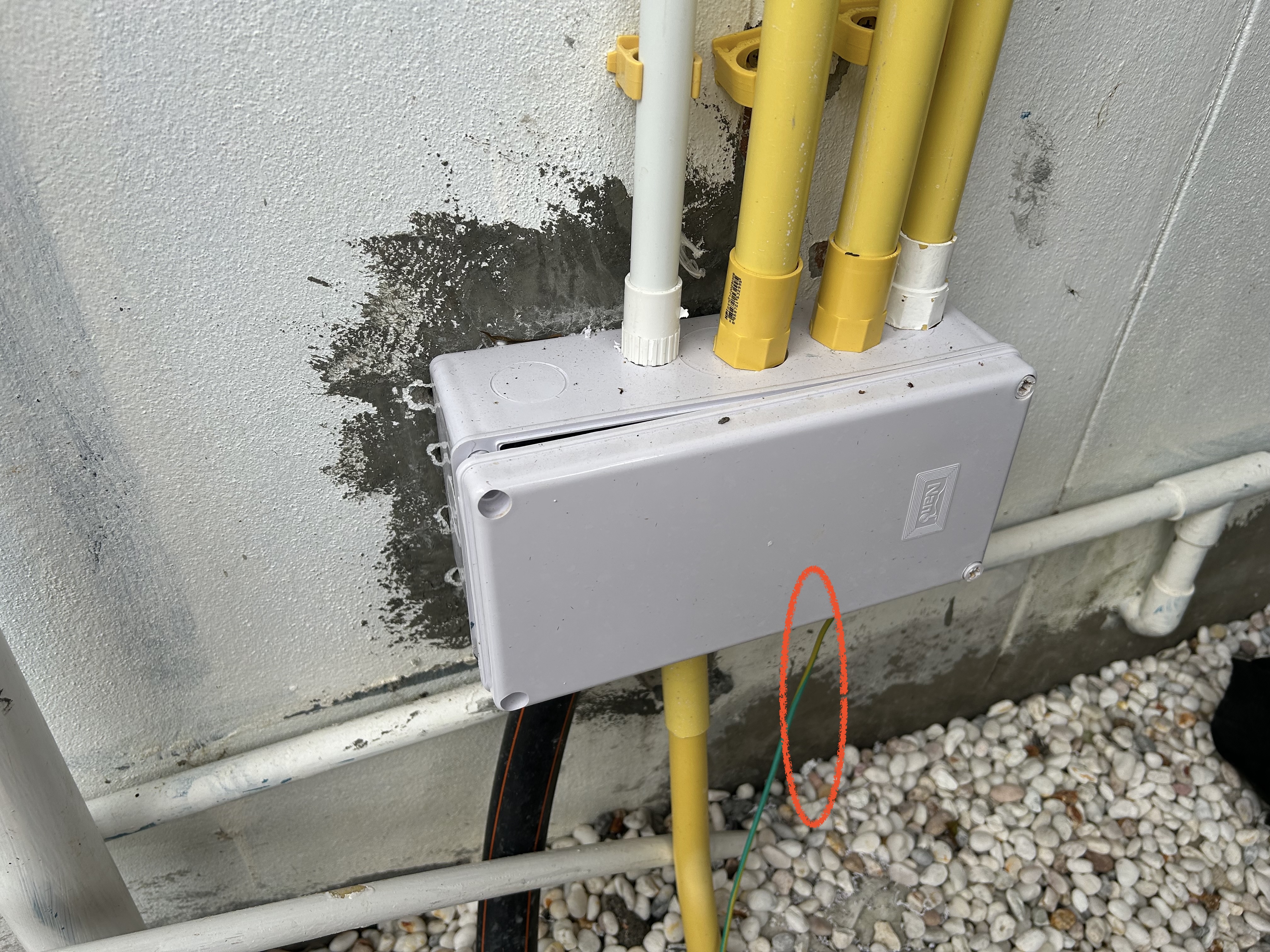
Ground wires are frequently too short, too thin, or not properly buried. In one typical case, just 5 cm of 2.5 mm² wire was buried—completely ineffective. - Missing or faulty residual current protection
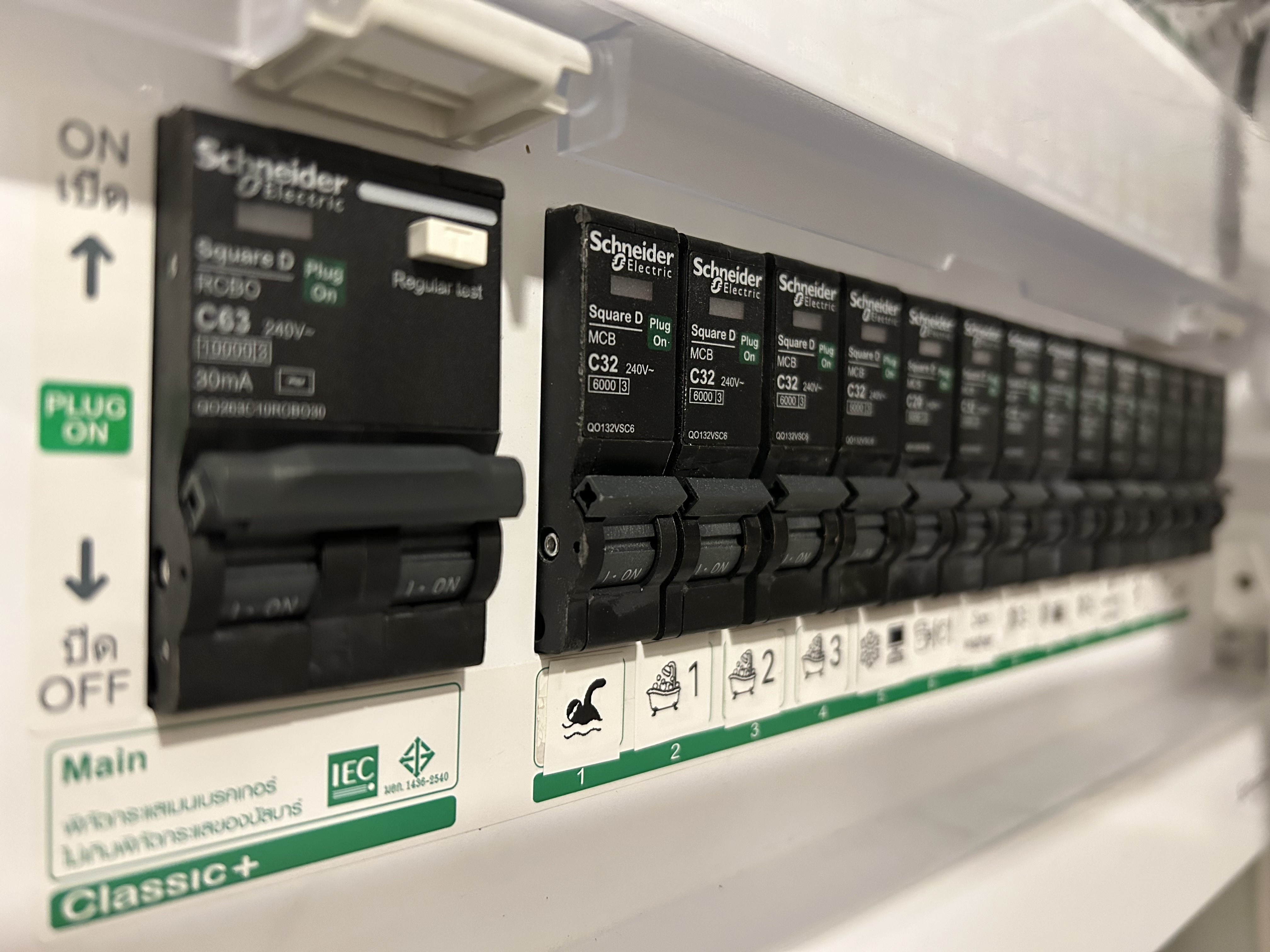
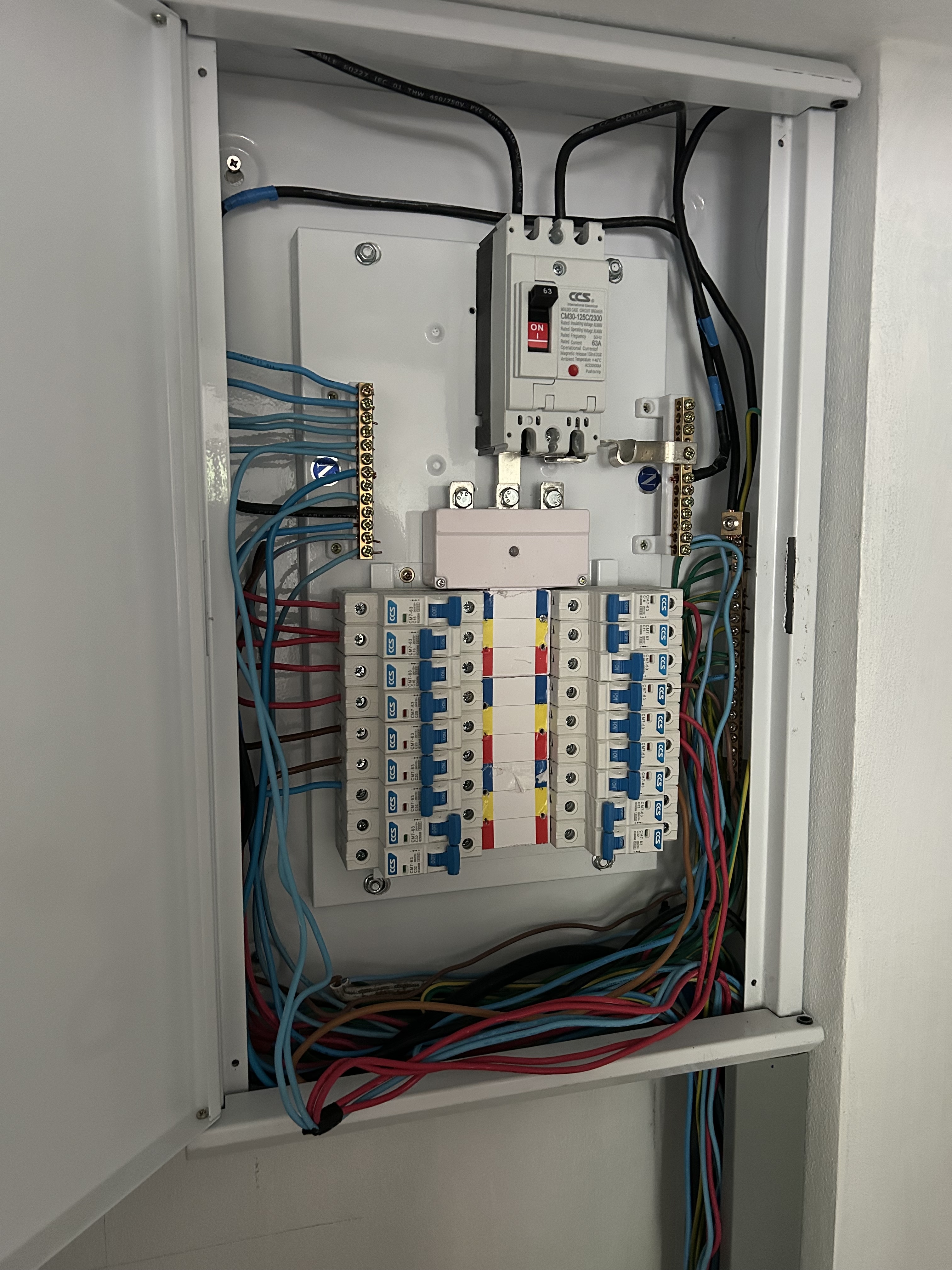
Most homes have a main breaker rated at 63A (single-phase supply), but it is rarely a proper RCBO (Residual Current Breaker with Overcurrent protection, also called a “differential” breaker).
Even when an RCBO is installed (usually 30 mA sensitivity), it often trips frequently during the rainy season due to water ingress in outdoor lights or appliances. While these trips are a normal safety response, they are inconvenient.
Worse still, we sometimes find RCBOs that are purely decorative: the ground connection is not actually connected to anything. In such cases, the device provides no protection and can even create hidden dangers, including the risk of electrocution in other parts of the house.
The Importance of Proper Grounding
Effective grounding is the foundation of electrical safety in Thailand. According to local regulations and best practice:
- Each home must have a copper ground rod at least 2–3 metres long, driven fully into the soil.
- Ground resistance should be measured with proper equipment and ideally be below 50 Ω for reliable protection. A value above 100 Ω does not guarantee safety.
- If one rod does not achieve the required resistance, additional rods must be installed and connected together.
- The ground wire running to the main consumer unit (distribution board) should be at least 10 mm² (25 mm² is preferred, though it offers little additional benefit).
- After the main breaker, the neutral conductor must be bonded to the ground system using a wire of the same size.
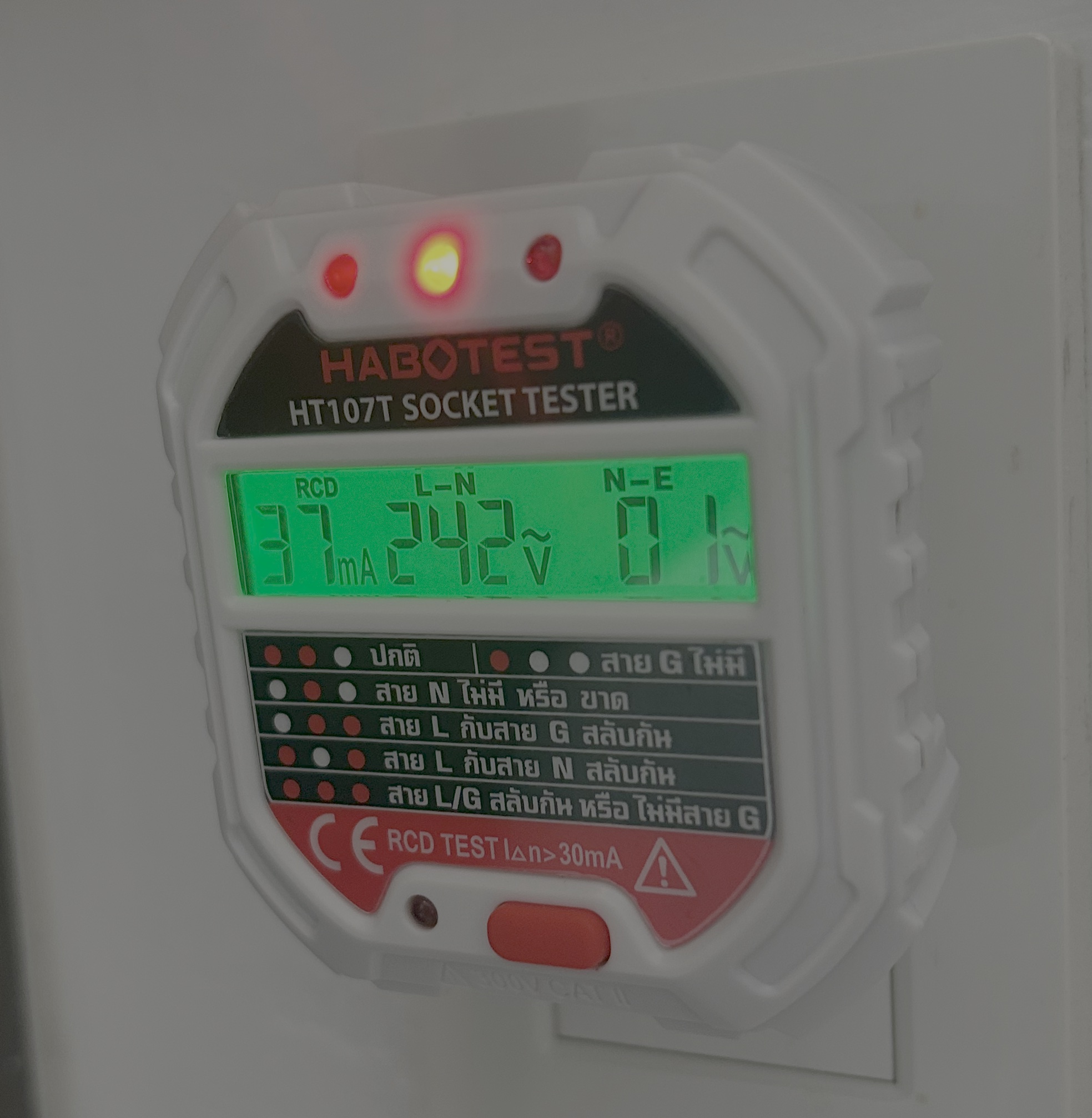
Achieve Reliable, Safe Electricity
With a correct, properly protected electrical installation and regular maintenance, you will have full protection against electric shock and fire risks.
A compliant and safe system not only protects you and your loved ones but also helps avoid serious problems linked to electrical accidents in Thailand – particularly important for property owners who rent out their homes, as it reduces the risk of liability claims or legal issues.
A professional assessment and targeted upgrades give you complete peace of mind, lasting comfort, and optimal safety for your home in Thailand’s tropical climate.
If you would like a thorough electrical safety inspection or personalised recommendations, we are here to help.